Eighteen months before Hurricane Katrina hit the Gulf Coast, I left the pastorate of First Baptist Church Kenner, Louisiana, to become director of missions for what was then called the Baptist Association of Greater New Orleans and is now the New Orleans Baptist Association.
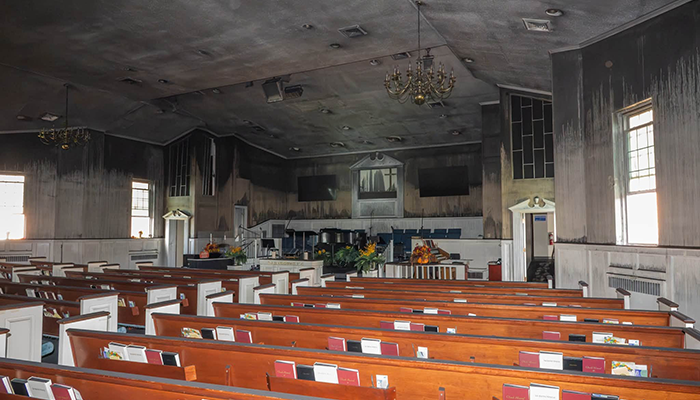
My first year was consumed by a diagnosis of oral cancer, surgery on my mouth and radiation. About the time I recovered from the side effects of the radiation, Katrina blew through and did two big things: destroyed the Mississippi Gulf Coast and flooded New Orleans.
For more stories at your doorstep, subscribe to The Baptist Paper.
SIGN UP for our weekly Highlights emails.
Prior to Katrina, I saw the role of the DOM as “pastor to pastors,” a role for which I felt well qualified. After the hurricane, it changed and became primarily two things: connecting needy churches and pastors with resources from around the country and connecting pastors to each other.
Two weeks after the hurricane, we tried to assemble as many pastors as possible for a gathering at First Baptist Church Jackson, Mississippi, 180 miles north. Twenty pastors (out of 103 churches and missions) came, from Oklahoma, Alabama and other states. When it ended, some did not want to return home. That’s when I realized — these pastors needed each other.
We announced that one week later, we would meet at First Baptist Church LaPlace, Louisiana, which is 25 miles west of New Orleans. Since the church had no hurricane damage, the pastor volunteered to host a weekly lunch gathering for pastors and other church leaders. The Louisiana Baptist Convention sent a check to the church to pay for the weekly meal. This went on for months.
Those meetings meant everything to our pastors. Some drove in from Houston, where they had evacuated. Before the hurricane, our monthly pastors’ meetings might average 25. Now we had 75 and 90 and more.
National Southern Baptist leaders coming to New Orleans to assess the damage and find places to help found out quickly the way to locate a pastor was to attend that weekly meeting. And since they often brought envelopes containing financial gifts, the pastors learned very fast not to miss that meeting.
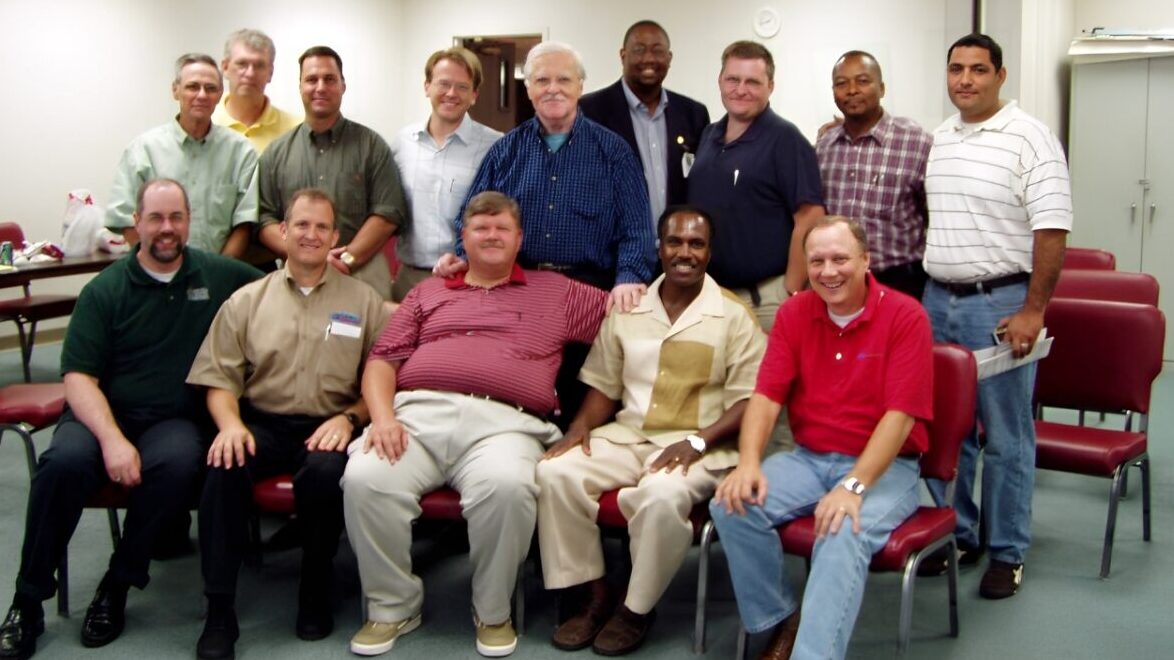
What did we do in that weekly meeting? We fellowshipped until 10 a.m., then after a brief statement from me, we turned the floor over to every individual present. They passed around the microphone and spoke. Some cried, we often stopped to pray, and we worshipped. Then we had lunch.
On one occasion, the religion editor for the New Orleans Times-Picayune newspaper attended and was amazed to hear reports from a dozen different ethnic groups, all of whom had churches in our association.
Pastors need a pastor
Over the years, in addressing leadership groups in various state Baptist conventions, I caution them about deserting the role of “pastor to pastor” even as they assume the role of “mission strategist.” It’s not necessary to select one above the other. Pastors need a pastor, and no one is better situated for that role than the associational leader.
But when crisis strikes, I urge leaders to get the pastors together. That’s when they need one another more than ever.
EDITOR’S NOTE — This story was written by Joe McKeever, an author, cartoonist and former pastor who blogs at joemckeever.com. This story was originally published by Baptist Press.