Early Saturday morning (Feb. 28), as Israeli and American fighter jets began striking targets in Iran, every Israeli cellphone issued an air-raid siren alarm, the signal to go immediately to the nearest bomb shelter. Soon afterward, the country’s Home Front Command announced that no public gatherings would be permitted due to fears that Iran would soon retaliate.
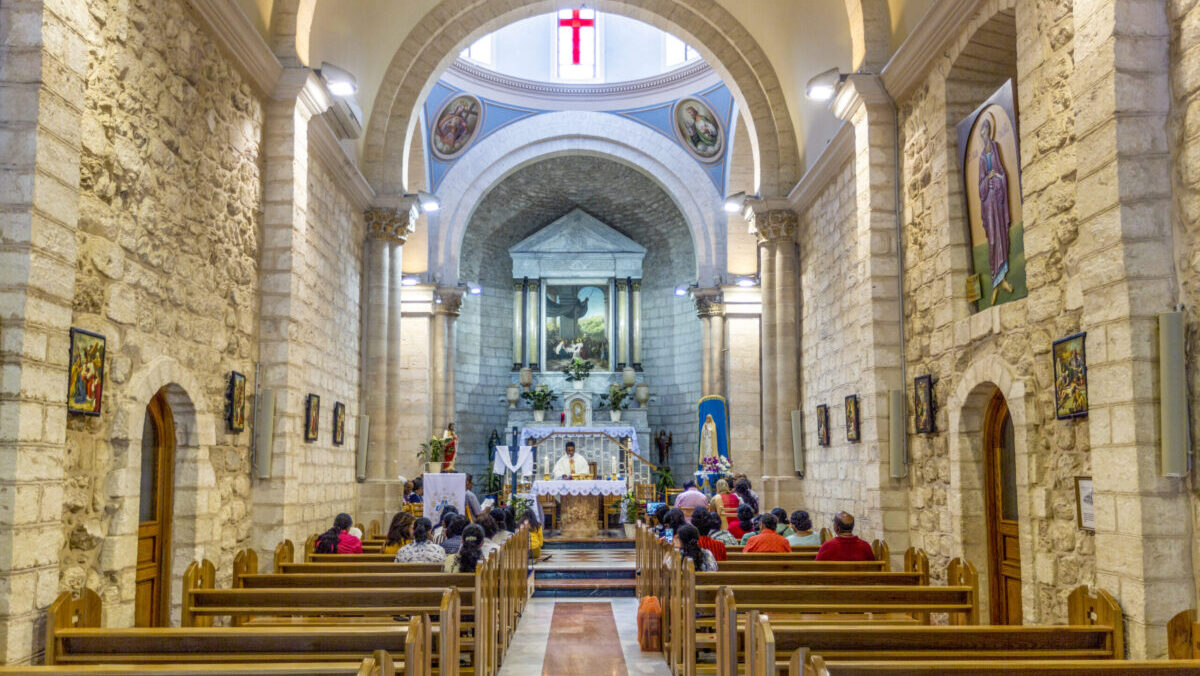
The safety ban on public gatherings has shuttered not only the country’s schools, nonessential workplaces and airports, but also its churches, mosques and synagogues. For Muslims celebrating Ramadan and Jews preparing for their holiday of Purim, which begins on Monday at sundown, there is a palpable sense of loss in the closures of their houses of worship.
Christians, meanwhile, are looking ahead to Holy Week, which begins at the end of March, with uncertainty.
For more stories at your doorstep, subscribe to The Baptist Paper.
SIGN UP for our weekly Highlights emails.
The disappointment was compounded when Home Front Command took the highly unusual step of placing the Old City of Jerusalem, home to the Western Wall, Al-Aqsa Mosque, the Church of the Holy Sepulchre and dozens of other sites held sacred in the three Abrahamic faiths, off-limits to everyone but residents, clergy and essential workers.
‘No one can come’
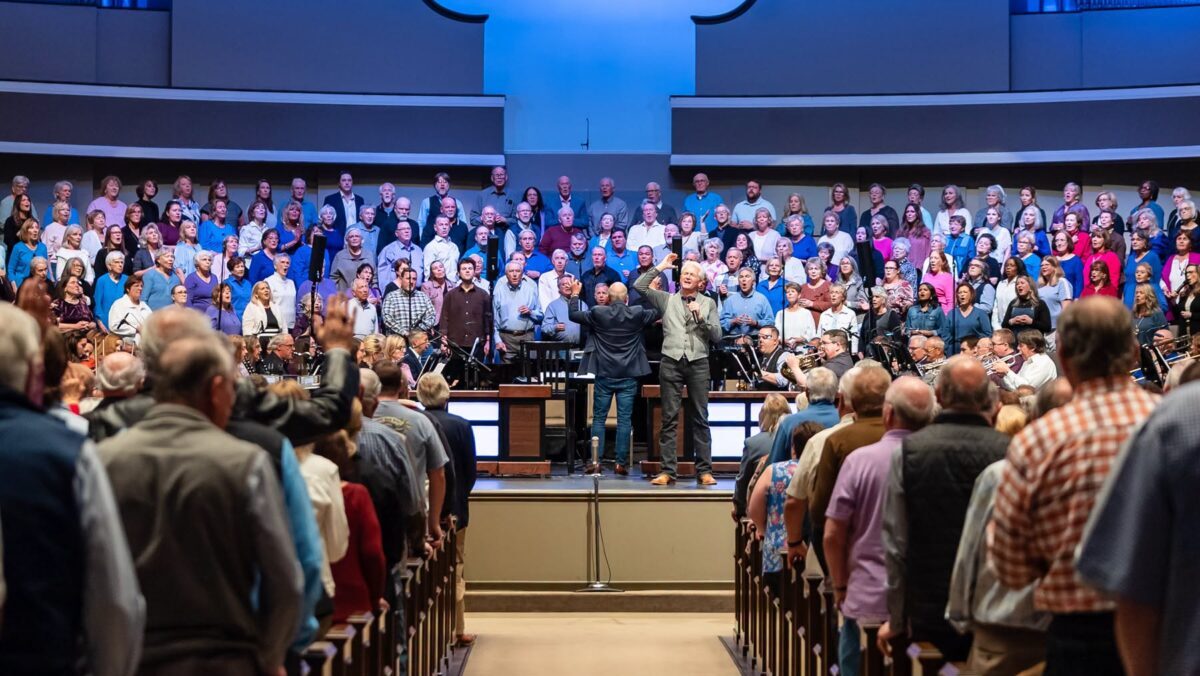
On Sunday, Christian clergy throughout Israel held prayers, but to mostly empty pews.
“Priests will celebrate Mass as usual, but no one can come,” said Farid Jubran, the spokesman for the Catholic Patriarchate of Jerusalem, referring to Home Front Command’s new guidelines.
EDITOR’S NOTE — This story was written by Michele Chabin and originally published by Religion News Service.