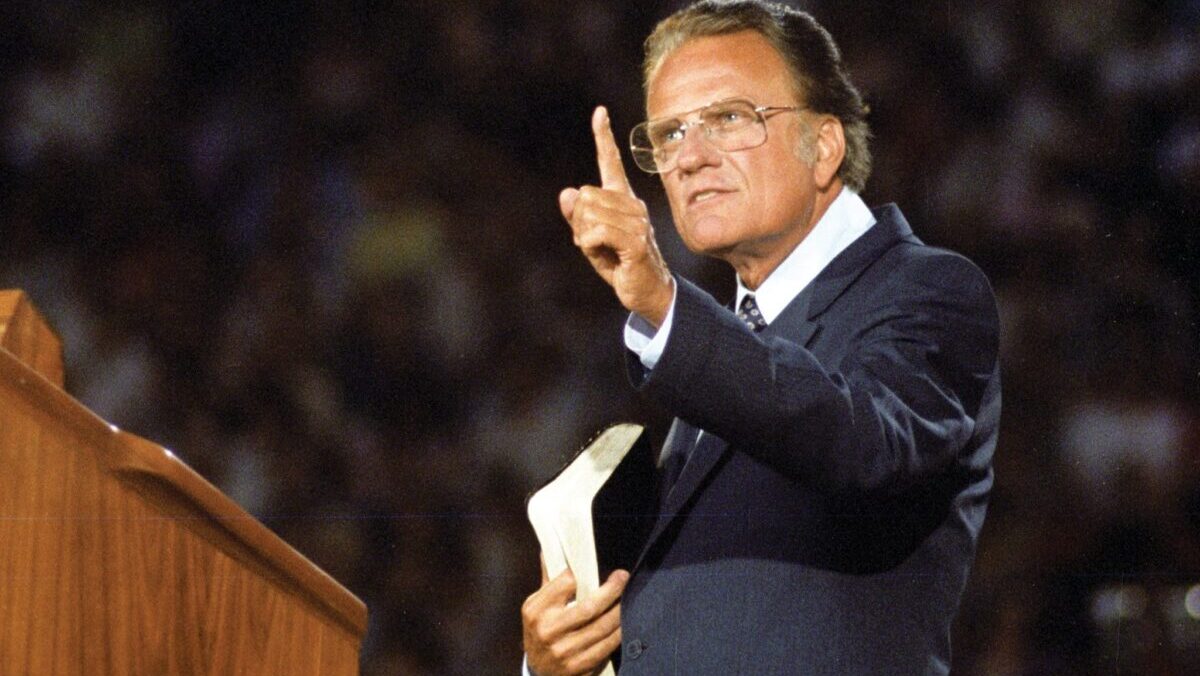
As many Americans continue to create and share humorous AI-generated caricatures of themselves on social media, a prominent pastor and author warns that AI-generated deepfakes of Christian figures like Billy Graham are stirring up confusion related to what’s real and what’s not.
But could this be an opportunity for the Church?
In a recent column for Mere Orthodoxy, Joshua Pauling, vicar of All Saints Lutheran Church in Charlotte, North Carolina, described encountering a viral AI video falsely presented as a Graham sermon.
Obvious blunders, like including engagement prompts from Graham, helped expose that the video was fake, Pauling noted.
“Recently a church member sent me a link to a Billy Graham sermon on YouTube to get my take on it. I obliged,” he wrote.
For more stories at your doorstep, subscribe to The Baptist Paper.
SIGN UP for our weekly Highlights emails.
Pauling became increasingly suspicious.
“The voice sounded like a young Graham from what I could tell, but something didn’t smell right. Maybe it was the patterns of speech, the clichés or the voice inflection. Granted, I’m too young to have heard many of Graham’s sermons, but this was one he never delivered.”
After noticing other red flags, Pauling had seen everything he needed to declare, “Game over.”
He noted it was “clearly an audio deepfake.”
Pauling also wrote that he “scrolled through the comments searching to see if anyone called this out for what it was: a deception, a sham, all in the name of Jesus.”
But then he became more troubled: “Turns out this YouTube channel, Faith in Action, was filled with Billy Graham ‘recordings.’”
He wondered, “Were they all deepfakes? Was this whole channel AI-generated? And what about the commenters who heaped fulsome praise on Graham’s sermon?”
Moment for the church?
In response to issues such as deepfake technology, the Billy Graham Evangelistic Association has made efforts to warn the public to trust only its official channels.
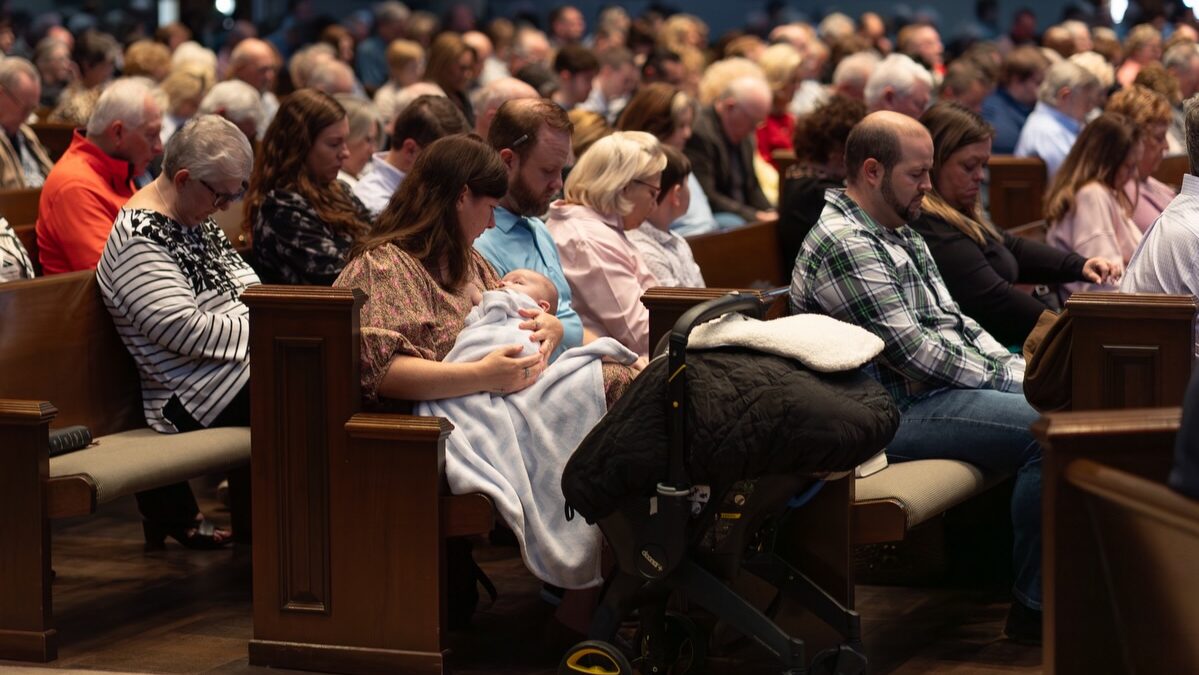
Despite the growing problem, Pauling argued the church offers a remedy through in-person worship and Christ-centered community. He also sees an opportunity for the church.
Pauling noted, “Could this moment also be a catalyst for the resurgence of in-person relationships and gatherings?
“Reality gets its revenge eventually, doesn’t it?” he wrote. “The church can stand in precisely this moment, as she embodies a different way of being.”
Sadly, this is just the tip of the iceberg with a variety of scams church leaders regularly confront.
A Louisiana Baptist church has also sounded a warning after scammers recently impersonated the pastor.
Chad King, pastor of First Baptist Church Anacoco, Louisiana, said he was contacted Jan. 6 by church members who said they received text messages from him regarding requests for gifts and gift cards.
Be on guard
While no members fell for the scam, King noted, the incident is a reminder that churches of all size must be on guard.
“I would just encourage everyone to pay close attention to who is texting you and how the messages are worded,” King told Louisiana’s Baptist Message.
“Sometimes just by the wording of a text message you can tell if it really is that person who they claim to be,” he said.
Also, church leaders should do their best to verify who has contacted them before responding, he continued.
“Reach out to them and ask if they sent the message,” he advised. “Finally,” he cautioned, “never click on a link or respond to something that doesn’t sound accurate.
“We are living in a world where it doesn’t matter if you are a church or minister — they are willing to do whatever it takes to scam for money.”
EDITOR’S NOTE — This story is compiled from reporting by Michael Foust, which was originally published by Christian Headlines and Crosswalk, and an article written and originally published by Louisiana’s Baptist Message. With reporting from The Baptist Paper.