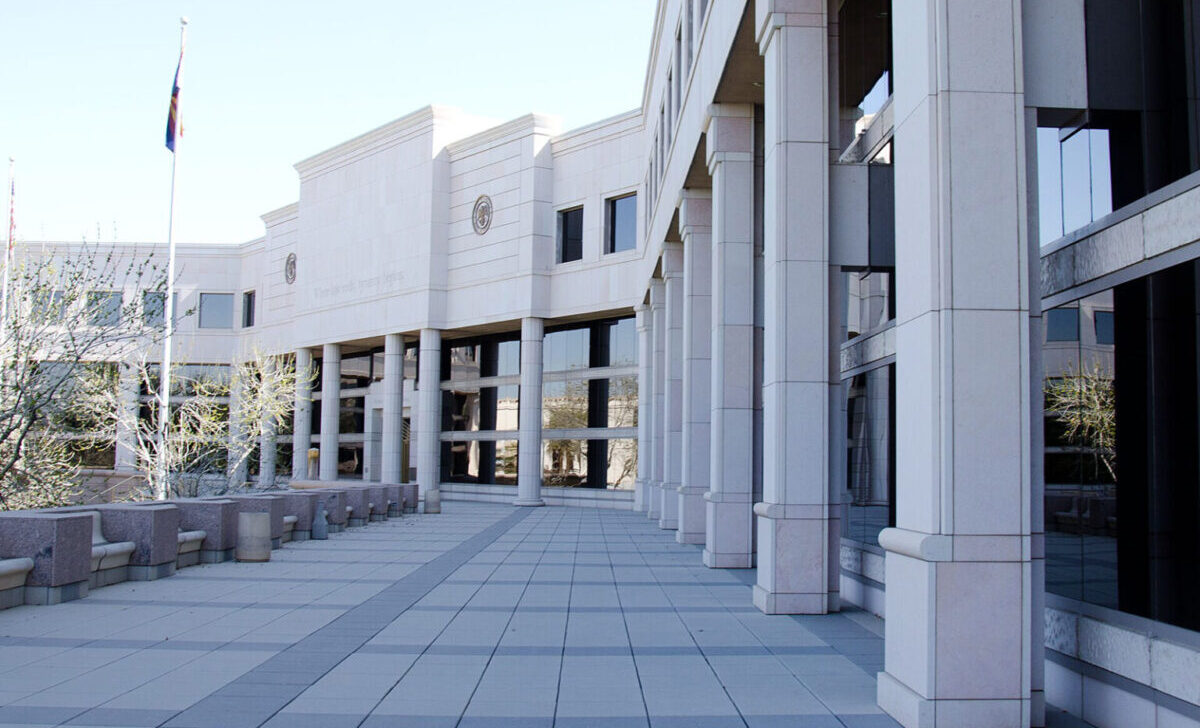
The Arizona State Supreme Court ruled that church leaders do not need to report cases of sexual abuse, disclosed during confessions, to authorities, in a lawsuit brought against a man who confessed to Church of Jesus Christ of Latter-day Saints bishops to sexually abusing his daughter.
Arizona justices unanimously ruled on Thursday (July 30) that trial courts couldn’t interfere in church leaders’ decision to report sexual abuse cases disclosed in confession, according to their own interpretation of religious doctrine.
Stay updated on stories like this — Get news delivered to your inbox
“We hold that the First Amendment generally prohibits fact finders from inquiring into a clergy member’s application of his particular religious doctrine — absent fraud or collusion for secular purposes — in determining whether reporting should be withheld if ‘reasonable and necessary,’” wrote Vice Chief Justice John Lopez in the court’s opinion.
The Mormon Church praised the ruling, saying it affirmed the confidential nature of religious confession.
“Arizona law also recognizes the confidential nature of religious confession. The decision affirms that these religious protections are to be respected alongside society’s shared commitment to protect the vulnerable,” it wrote in a statement. “The abuse at the center of this case was reprehensible, and the Church has always condemned it.”
Angela Walker, the executive director of the Survivors Network of those Abused by Priests advocacy group, expressed concern that predators would be able to use a “confessional loophole to escape justice.”
“While we respect the court’s decision, we believe that the safety of these children must be protected,” Walker wrote in a statement. “Especially since this predator videoed these images and put them online.”
What next?
The ruling sends the case back to lower courts and reverses a July 2025 decision of the state’s Court of Appeals. Arizona’s reporting statute compels anyone who reasonably believes a minor has been the victim of abuse to immediately report it. But the statute exempts clergy who deem it necessary to not report it for religious reasons. The Court of Appeals found the admissions of guilt in the case didn’t invoke clergy-penitent privilege and that church leaders could have reported the abuse.
Full story.
EDITOR’S NOTE — This story was written by Fiona André and originally published by Religion News Service.