Nobody likes being rejected. Most people fear rejection. Most of us have been rejected: by other kids at school, by a friend, parent, spouse, coworker, by life.
Southern Baptist Evangelist Sammy Tippit tackles that subject in his newest book, “The Smile of God In a Hostile World,” published in October in English and in Romanian. It’s available on Amazon.com in print, Kindle and Audible. 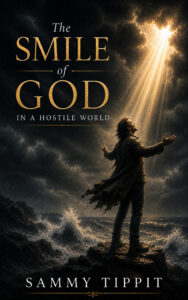
ALSO, check out other recommended books from TAB Media Group and friends.
The book grew from Tippit’s personal experiences and what he has seen, heard and learned over the last 53 years ministering from his Texas home to international places where Christians are persecuted.
Rejection is born in anger for some perceived wrong, hardens into more anger, which grows into hatred and expands into violence, Tippit writes. No wonder people don’t like rejection! No wonder they fear rejection.
“Perhaps that is one reason ours has become one of the angriest generations in modern history,” Tippit writes on page 8, which is your first indication the 125-page book’s discussion of rejection isn’t exactly the evangelist’s reason for writing The Smile of God.
“Deep within the human heart are questions we may never speak aloud,” Tippit writes.
“Do I belong?
“Am I accepted?
“Do I matter?”
Keep it ‘pithy’
The entire book is written this way, primarily with short, single-sentence paragraphs followed by almost pithy supporting statements in successive paragraphs. The book is almost lyrical in its presentation.
“Again and again I found that the believers who stood stronger under persecution were not necessarily the boldest by nature or the strongest emotionally,” Tippit writes.
“They simply knew who they belonged to.”
A few pages later, “And unless we understand where rejection began, we will never understand persecution, or how followers of Jesus can live victoriously in the midst of it.”
The Smile of God traces the rejection first seen in Genesis, where a leaf-clothed couple hides from God, through to Revelation, with a major pause at Peter’s rooster experience and Paul’s experiences with blindness.
“Our deepest need is not merely to be accepted by other people,” Tippit writes.
“Our deepest need is to be restored to the God who created us.”
Tippit writes about people in Romania, Iran, Sudan and elsewhere who have conquered their fear of rejection.
“[P]ersecution itself does not cause the church to grow,” Tippit writes. “What matters is how Christians respond to it.”
Reason for book
Bottom line, and perhaps the reason for the book: “The closer we walk with Christ, the more prepared we become for whatever the future holds.”
The Smile of God uses the examples of people and places under persecution to illustrate reasons for the book’s readers to make the commitment to live under the Lordship of Jesus Christ, come what may.
“For years I measured my worth by human acceptance,” Tippit writes.
“Christ taught me to rest in God’s acceptance.
“That changed everything.
“It began releasing me from feelings of rejection.”
Good timing
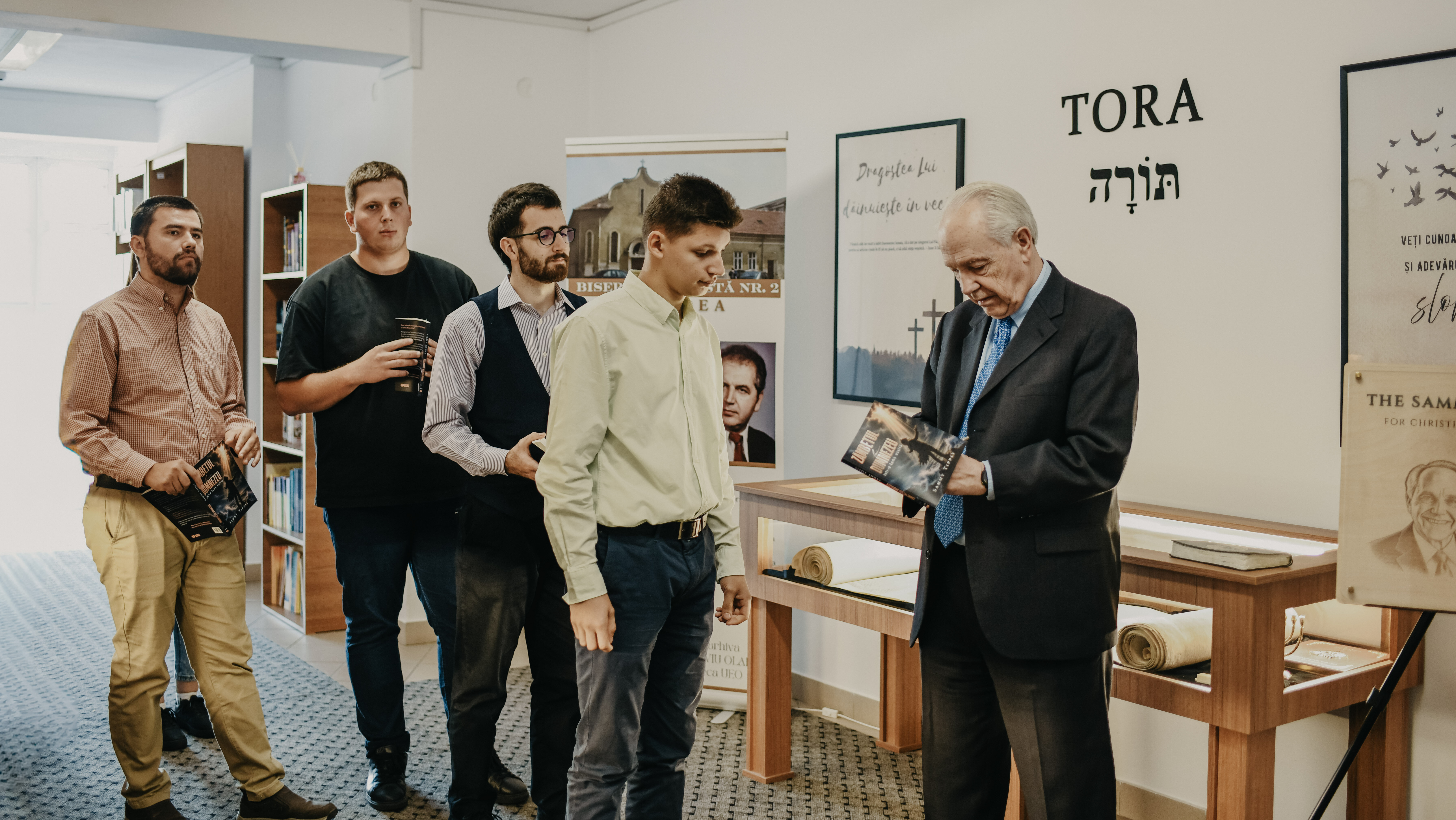
The initial printing of The Smile of God includes versions written in English and Romanian because the publication date coincided with the Oct. 6, 2026, launch of the Sammy Tippit Center for Christianity Under Persecution at Emanuel University in Oradea, Romania.
Emanuel, the only government-accredited conservative Baptist university in Europe, designed the Sammy Tippit Center to strengthen persecuted Christians worldwide, and those who minister to them.
“We’ve also been asked to translate the book into Farsi, Hindi and Punjabi, to encourage Christians in Iran and India,” Tippit told The Baptist Paper. “I’ve made a commitment: Between now and Christmas, every dollar I receive in Amazon author royalties from this book will go toward printing copies for Christians suffering persecution.”
As the translations are completed, the books are to be distributed through Sammy Tippit Ministries’ established international partnerships.
For variety of ages
Because of its short paragraphs and simple English, The Smile of God is suitable for middle-schoolers facing hostility, rejection or bullying (aren’t they all at one point or another?) to busy mid-career adults and on up through seniors whose eyes would appreciate the lyrical writing style’s white space on the page.
I read it first on Kindle, then bought a paperback copy so I could underline in it. I also bought three additional copies to give to my preteen greatkids for Christmas, not that any of them ever face ugliness at school, that they have talked about, that is.