What are three specific life skills you hope to teach those coming behind you?
Think through the experiences that brought you to the full understanding of these lessons.
Are you able to describe them? How are you modeling them in your day-to-day activities?

Three that came to mind for me are:
- Give the benefit of the doubt first.
- Realize everyone is shouldering some type of difficulty.
- Enhance situational awareness.
My friend lit into the person who answered the phone, and the conversation went nowhere.
“It was her tone,” my friend said, describing the exchange to me later. “She didn’t want to help me.”
As she shared, she realized she overreacted a bit due to her current heightened emotional state.
In need of help
We tried again and this time she explained how she didn’t mean to come across aggressive or combative, that she was extremely frustrated at the situation and needed to find the right person to help her make sense of it all.
The person behind the counter relaxed and provided information important for my friend’s next steps.
From there, the conversation flowed much more smoothly as the two worked together to find answers and seek possible solutions.
Both initially made incorrect assumptions about the other when it was merely a case of one person’s style of communication clashing with the other person exhausted from an emotionally, mentally and physically demanding few weeks.
They failed to give each other the benefit of the doubt first. Instead, they launched into a defensive stance before finding out more details.
Missing an opportunity
They also missed out on realizing everyone is shouldering some type of difficulty.
Why the person behind the counter spoke with such sharpness the day before, we don’t know, but I’m guessing something in her world had her on edge.
My friend is definitely carrying a heavy load, but like many of us, tries to compartmentalize it as she goes about her day.
Some days are harder than others, and those close to the situation find it easier to show grace, kindness and love.
It’s those without the background details who find themselves determining how to respond. Are they able to assess the situation and detect they need more details before letting emotions take over?
‘Read the room’
Situational awareness typically surfaces in discussions related to safety in our surroundings, which is an important skill to develop.
But along with recognizing potential physical threats, situational awareness also teaches us to “read the room.”
The ability to size up the vibe a person is giving off or sense the emotional state of the people in the room you walk into provides an immediate entry point.
Rather than forcing others to accommodate us when we can’t sense what is most needed, appreciated or required in a particular moment, we become a positive and productive addition to the process.
Sometimes it means being OK and not offended by the silence when a family member needs us to be present but not chatty.
Other times it means keeping a friend focused when anxiety and emotional overload is clouding the clarity.
It could also mean bringing light and laughter to an extremely dim moment.
Beyond the personal interactions, however, situational awareness also helps us prioritize the various parts of life.
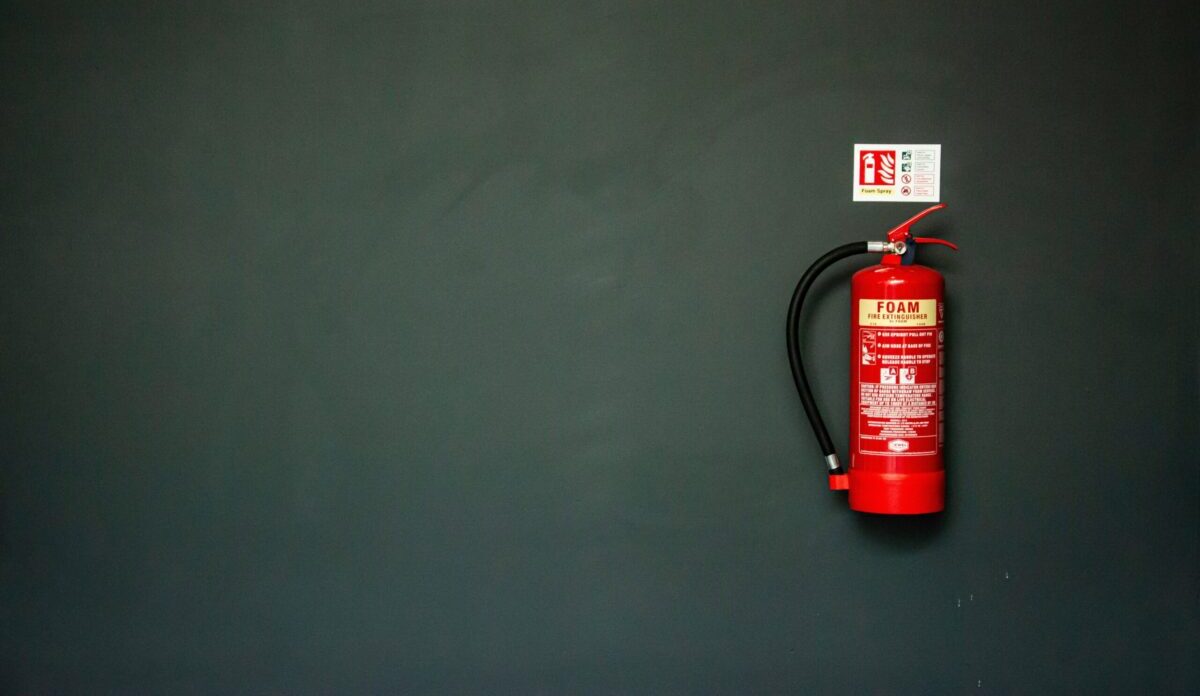
Another friend had a saying that sticks with me: “We are painting the front door while the kitchen is on fire.”
Grab the fire extinguisher
Every time I’m tempted to hyper focus on a minor issue at the expense of dealing with a major issue, I try to remember to put down the paintbrush and grab the fire extinguisher.
Enhancing our situational awareness, realizing everyone is shouldering some type of difficulty and giving the benefit of the doubt first all work together to build stronger, healthier and smoother rhythms — for us and those who cross our paths each day.