
It’s not every day that a novel with frequent references to kindness, hope and heaven is the top selling book at Amazon and reaches number one on the New York Times list. But “Theo of Golden” has. The unlikely bestseller could open doors for conversations about faith like “The Chosen” TV series did for several years.
Allen Levi didn’t set out to write a bestseller or a Christian apologetic. He just wrote a novel about an unusual idea he had, prompted by a visit to a coffee shop in his Georgia town. He finished the manuscript during his COVID sequester, then put it away. But a few friends read it and urged him to publish the book.
For more stories at your doorstep, subscribe to The Baptist Paper.
SIGN UP for our weekly Highlights emails.
In his mid-60s at the time, Levi knew no publisher would take a chance on an old first-time novelist, so he eventually paid for a small press run himself. His niece planned a marketing strategy using Facebook and a few book club appearances.
Gift for Jesus
“When I die, I will take this book to Jesus, and I will say, ‘I made this for you; this is a gift for you,’” his voice cracking as he explained his lack of interest in big media promotions. Levi said in a recent podcast interview he thought he might distribute a 100 copies, or maybe 1,000, but “Theo of Golden” has become “the little book that could” with three months on the major charts.
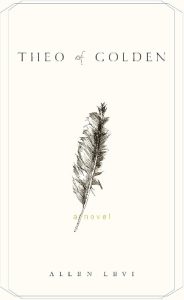
The lawyer-turned-songwriter, who lives in rural Georgia and cares for his 96-year-old father, says the book demonstrates generosity and kindness. Not “random acts of kindness” popularized by Oprah and bumper stickers two decades ago, but intentional Christ-like benevolence toward strangers engaged by Theo, an elderly man from Portugal.
Theo saw some portraits of local townspeople for sale in a coffee shop, much as the author did. He bought the sketches and throughout the book delivers them to their subjects. Along the way, the story becomes about what’s happening in their lives, good and bad, the choices they make, good and bad, and Theo’s ability to inspire hope that is born out of his Christian faith.
‘I wanted to communicate hope’
“I wanted to communicate hope,” Levi told Christianity Today. “I certainly wanted to communicate that Theo was a man who loved and he was a man who expressed that in a winsome way through kindness and generosity. But I didn’t want the book to be so steeped in this man’s faith that it would run off readers who don’t share our faith perspective. Out of kindness to that audience, I tried to make the story as engaging as possible without denying that this man was a character of faith.”
It’s not “The Shack” (with all its overt theophany and controversy), but the novel offers genuine treatment of death and life, faith and the resulting hope of heaven.
As with the not-too-Christian book that rises above the cultural wave every decade or so, “Theo of Golden” appears poised to open talks among friends and strangers about the realities of faith in Christ. Like “Christy, Mitford,” “The Passion of the Christ,” “The Chosen,” and “The Jesus Revolution,” it will be up to followers of Christ to fill some gaps and connect the biblical dots in Theo’s winsome witness.
Full story.
EDITOR’S NOTE — This story was written by Eric Reed and originally published by the Illinois Baptist.