
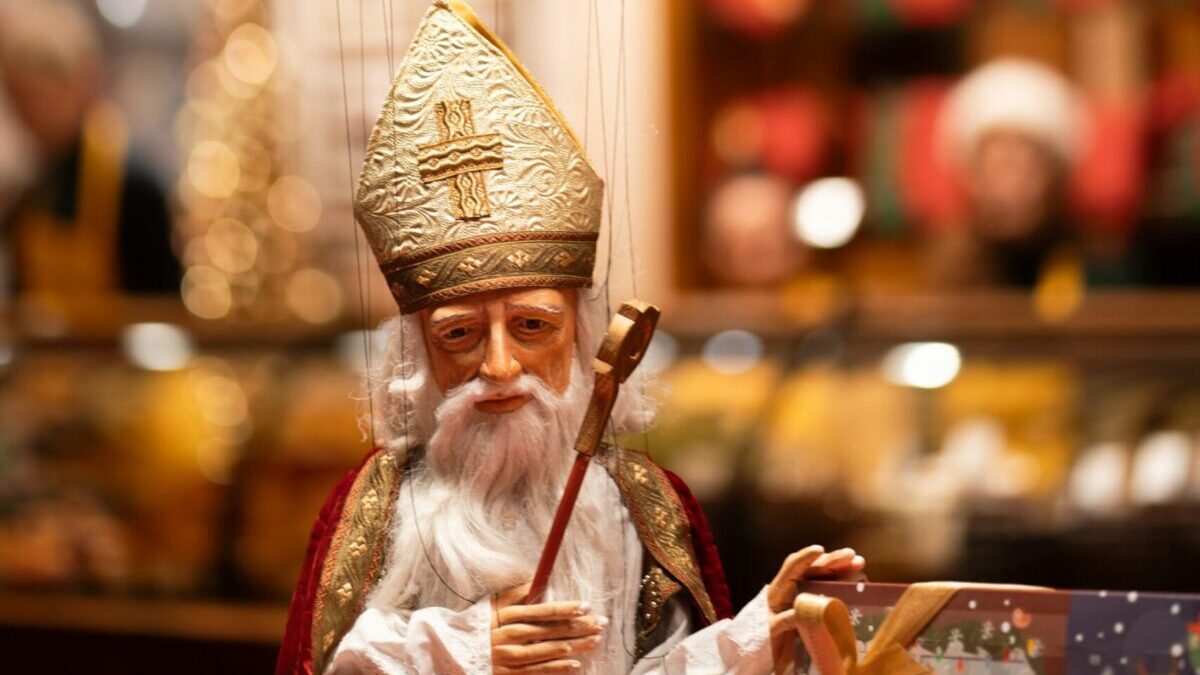
When people think of Santa Claus, they often think of the jolly old fat guy with rosy cheeks and the red suit who gives presents to all the good little boys and girls. But, today, many still may not know that Santa’s claim to fame really snowballed from the legend of the 4th-century bishop Saint Nicholas in Turkey — and even fewer may have heard he was a persecuted Christian.
While those who have heard of Saint Nicholas are probably familiar with stories of him being generous and helping the poor, they may not know the “Bishop of Myra” also was known for standing up to the emperor of Rome and refusing to bow down and worship him.
RELATED: Check out more stories from Marc Hooks and TAB Media’s Ground Level Reports series on Santa Claus and the Church. And learn more about Hooks (also known as ‘Santa Marc’ during the Christmas season) here.
Behind bars
Saint Nicholas “was a persecuted Christian that actually spent time in jail under the Roman emperor,” said Todd Nettleton, vice president for message for the The Voice of the Martyrs. “Nicholas and other Christians said, ‘We will only bow and worship Christ. Because of that he was sent to prison.”
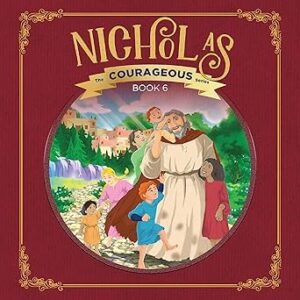 The Voice of the Martyrs released the book “Nicholas: God’s Courageous Gift Giver” in 2020 that highlights Saint Nicholas’ courage and willingness to stand up for Christ amid the threat of persecution.
After being released from jail, Nicholas went on to be the Bishop of Myra and “then famously at the Council of Nicaea either slapped or punched Arius in the face,” Nettleton noted.
Gave up wealth to help others
While Nicholas was born into wealth, Nettleton said, he gave his money away to the poor and was known for his generosity.
“There are stories of him basically rescuing women from the streets, giving them enough money to have a dowry so that they could have a respectable marriage,” Nettleton said. “That’s sort of the Saint Nick that became our Christmas Saint Nick. Nicholas the gift giver, but he was also Nicholas the persecuted Christian — and Nicholas the person who punched Arius in the face.”
‘Live more boldly’
Nettleton challenges pastors to share Nicholas’ story when given a chance in the pulpit or a Bible study. While this narrative may not fit the typical warm, fuzzy holiday-type story, Nettleton noted, it is an important one to share during the Christmas season or earlier in the year on International Day of Prayer for the Persecuted Church, which is typically held on the first Sunday of November.
“Those stories inspire us,” he said. “They challenge us to live more boldly in our own faith in Christ. Certainly Saint Nick is one of those, the guy who said I will go to prison rather than worship the emperor because I worship Jesus. … Those stories are powerful and frankly we need them — as Christians in America, we need those examples.”