Pastors and churchgoers assume people with disabilities will feel at home in their church, but congregations haven’t always made sure that would be the case.
A Lifeway Research study of U.S. Protestant pastors and churchgoers finds almost all in both groups believe those with disabilities would feel welcomed and included when coming to their church, even if pastors have grown less confident.
“Being welcoming is a choice. Both pastors and churchgoers are very optimistic that people with disabilities would feel welcomed and included at their church,” said Scott McConnell, executive director of Lifeway Research. “They wouldn’t respond this way if they hadn’t seen their congregation choose to welcome people. But there are many types of disabilities, and churches are likely not this prepared to include them all in activities.”
Jana Magruder serves in Lifeway’s NextGen area and is part of a special needs advisory group for the organization. She said, “Every local church can create places where people of every ability can belong, grow in Christ and serve according to the unique gifts God has given them. The body of Christ is strongest when everyone has a place at the table.”
Welcoming for all?
Virtually all U.S. Protestant pastors (98%) say a person with a disability would feel welcomed and included when coming to their church, including almost 3 in 4 (73%) who strongly agree.
But fewer pastors are very confident their church is creating a welcoming environment for everyone. In a 2019 Lifeway Research study, 81% of U.S. Protestant pastors strongly agreed those with a disability would feel welcomed, compared to 73% today.
“As awareness of the needs associated with various disabilities grows so will the understanding of what it takes to truly include these individuals in the activities of a church. It’s not surprising and is somewhat encouraging that more pastors realize their church could be better prepared to include those with disabilities,” said McConnell.
Churchgoers also believe those with disabilities would feel included in their congregation, but they’re more confident in their ability to welcome people with certain conditions.
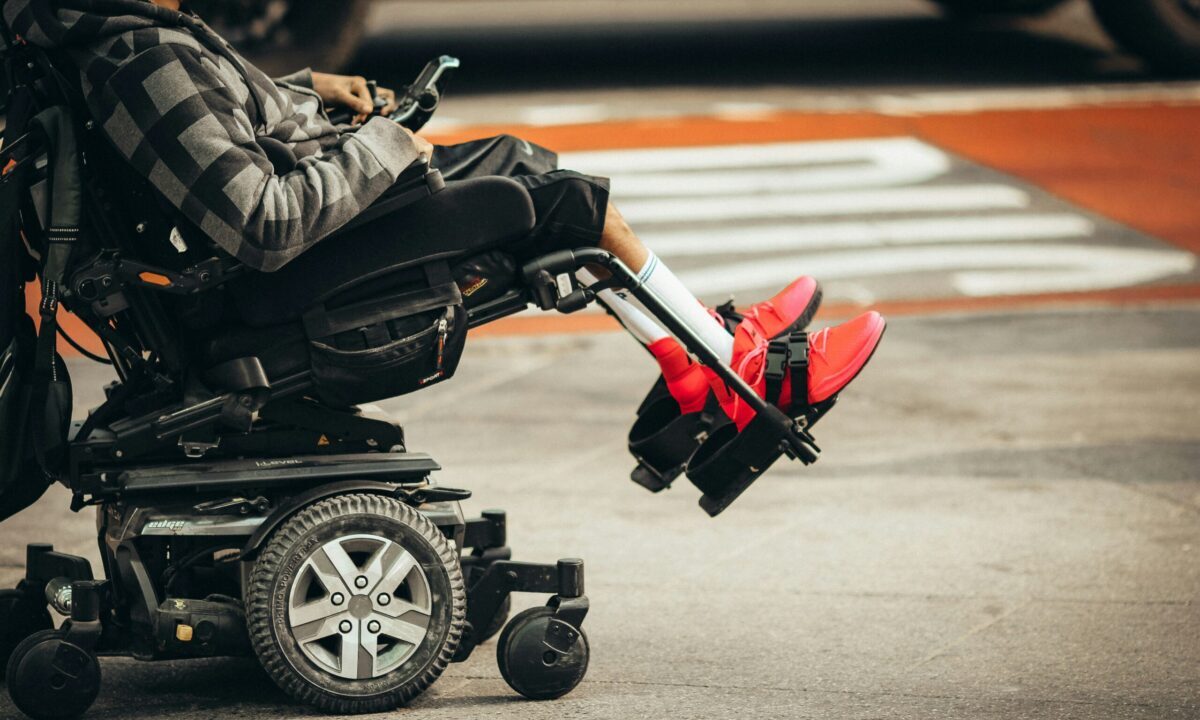
Almost all U.S. Protestant churchgoers say those coming to their church would feel welcomed and included if the visitor had a physical disability (97%), dyslexia or other reading challenges (96%) or a cognitive or developmental disability (96%).
Among churchgoers, more than 4 in 5 (82%) strongly agree those with a physical disability would sense a welcoming congregation, while 78% strongly agree concerning those with reading challenges and 75% strongly agree about visitors with a cognitive disability.
Those at average-sized and the largest churches are most confident in their congregations’ ability to extend a welcome to those with a developmental disability. Those at churches with an attendance of 50-99 (98%) and 500 or more (99%) are more likely than those at congregations of 100-499 (94%) to agree.
Full story.
EDITOR’S NOTE — This story was written by Aaron Earls and originally published by Lifeway Research.