Calvin Ridley, star receiver for the Atlanta Falcons, was suspended for an entire season in 2022 for gambling on NFL games. The following year, 10 NFL and one NHL athlete were suspended for gambling-related infractions.
“I saw a TV commercial for a betting app, and for whatever reason, I downloaded it on my phone. I deposited like $1,500 total, literally just for something to do. I was going to bet like $200 on some NBA games that night, but then I just added a bunch more games to a parlay,” Ridley wrote, as part of his article for The Player’s Tribune.
For more stories at your doorstep, subscribe to The Baptist Paper.
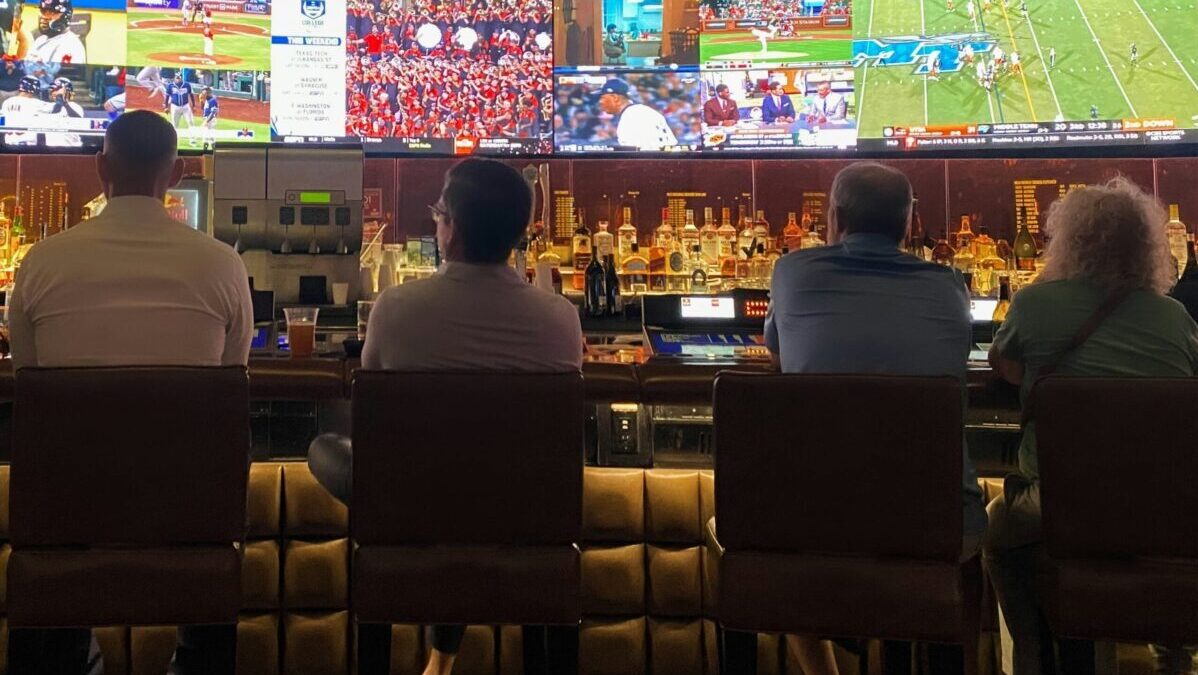
Online sports gambling is sweeping the nation, luring Americans with promises of harmless fun, easy money, and community. And Christians are not immune — many have embraced it as morally acceptable. But as addiction rates climb, few ministries or churches appear to be stepping in to help. MinistryWatch contacted numerous ministries, including those focused on addiction, but they were either unresponsive or reported no experiences with these issues.
With the overturning of the Professional and Amateur Protection Act in 2018, a law banning most sports betting, the U.S. saw an immediate rise in legalization from nearly 40 states.
And in 2020, the Gallup poll revealed that 71% of Americans thought gambling was morally acceptable, the highest percentage in its 18-year history. It has since gone down to 63% as of last year.
In 2023, the sports betting revenue had increased more than 44% to $10.9 billion, making up 16% of the $66.5 billion total gambling revenue, as reported by the American Gaming Association. It’s now at over $13 billion as of last year and is projected to exceed $50 billion by the end of 2026.
High stakes
So, with one in three Americans betting on sports, downloading multiple gambling apps seems to be the latest obsession for men in the U.S., with 52% of men ages 18-49 signed up for accounts with an online sports book, such as DraftKings, Caesars, FanDuel or BetMGM.
But the consequences are catching up — bankruptcy, loss of savings, depleted college funds, and unchecked addiction.
Sports are even becoming a conduit for organized crime and illegal betting. Between 1963 and 2018, when PASPA was still in effect, only three players were suspended for violating the National Football League’s gambling policy, as compared to the 11 athletes suspended in 2023 alone.
Despite many states’ hopes that the 2018 legalization would increase tax revenue, The Social Science Research Network reported a financial health decline among families with gamblers. “The introduction of sports gambling and the ease with which consumers can now bet online are harming consumer financial health,” it said.
Glittering mirage
Atlantic journalist McKay Coppins gambled $10,000 during last NFL season as part of his investigation into sports betting. “It’s turning all of American life into a Las Vegas table game. There’s always this kind of glittering mirage of profit that you’re chasing, when, in reality, it’s designed to sort of demoralize and crush every regular person who plays,” he said.
Miles Mullin, Ethics and Religious Liberty Commission vice president and chief of staff, said that although the Bible doesn’t explicitly say “Thou shalt not gamble,” it does promote a framework of work and wealth that clearly establishes gambling as unwise. “The Bible teaches that sin has a ripple effect that harms not only the participant but those around him. This seems particularly true for addictive behaviors, and gambling is no different.”
Yet churches seem reluctant to jump into the fray. In 2024, Lifeway Research found that only 44% of pastors offered counseling for gambling debt or addiction. But in 2018, double the number of pastors (88%) said they had offered counseling for those issues in the past year. And only 55% of pastors say the practice is morally wrong, with 56% saying they don’t feel the need to address the issue.
“Anything can happen in sports, and many Americans want the same allure of an unexpected win in sports to translate into an unexpected financial windfall,” said Lifeway Executive Director Scott McConnell. “Most pastors see moral hazards in sports betting and believe American society would be better off without it.”
But finding the practice morally wrong and actively fighting the addiction in the pews are two different things.
Slate staff writer Molly Olmstead offered a perspective on this lack of motivation, suggesting that “state-level Christian organizations that tried to fight off the recent legalization of sports betting or put guardrails around it found that there was too much money on the other side of the issue and not much appetite for fighting in the pews.”
Christianity Today’s Emily Belz interviewed a Methodist minister, Tom Grey, who traveled 250 days a year with the National Coalition Against Legalized Gambling. Belz reported that “churches are ‘worn out’ and have to ‘pick their issues to fight.’”
Some gambling and addiction helplines such as SMART Recovery, Addictions.com, and AddictionHelp, are filling the pastoral void by offering support guides, online therapy, and other treatment programs.
Still, a few churches and ministries are working to sound the alarm and address the issue.
Joe Taylor, pastor at South Reno Baptist Church in Reno, Nevada, has considered hiring an associate pastor solely to minister to people struggling with gambling, according to Baptist Press.
Gambling Recovery Ministries out of Dillsboro, Indiana, describes itself as “the only wide scale ministry outreach to problem gamblers and their loved ones in the country.” Ranging from individual support to community events and group sessions, GRM serves to “extend life-saving outreach, in Christ’s love, to persons directly and indirectly impacted by the devastations of disordered gambling.”
Categorizing sports betting as “action gambling,” GRM offers free resources to all gamblers, such as the Gamblers Anonymous program, to “witness individuals’ spiritual growth as they gain strength through prayer, meditation, and renewed ties with their faith communities.”
‘Long road’
The Ethics and Religious Liberty Commission, the public policy arm of the Southern Baptist Convention, has argued that sports gambling is a problem churches can’t ignore. “This is such a serious issue, a plague that is affecting so many believers in our churches,” said ERLC Director of Research Dr. RaShan Frost. “That’s why we worked hard to produce a theological and practical guide — in addition to an in-depth white paper — that we think will be helpful to pastors as they navigate this growing epidemic.
That guide — “Push to Play” — offers practical suggestions for pastors and other church leaders to address gambling amongst their congregations, including 15 possible scenarios alongside suggested pastoral responses.
Pastors like Joe Taylor hope these measures can help reawaken churches and ministries to the deceptive dangers of online sports gambling, and inspire them to jump back into the fight.
“The battle to end the gambling industry’s predation is sure to be hard fought, a long road marked by small-yet-significant steps forward,” said ERLC’s Miles Mullin. “Despite the challenges, we must press forward, confident that our opposition to legalized gambling is rooted in God’s Word. At the same time, we must come alongside those caught in gambling’s snare, ministering to them, and exhorting them toward godliness.”
EDITOR’S NOTE — This story was written by Makella Knowles and originally published by MinistryWatch.