
THE EVIDENCE OF FORGIVENESS
Matthew 18:21–35
Like many other states, Mississippi held an election earlier this month to select one of its two U.S. Senators. In the hours after the polls closed, there was no clear winner. Of more than 900,000 votes cast, the leader at times was ahead by only a few dozen votes. Every vote mattered. Have you ever considered how important numbers are in our society? Without a counting system, our world would shut down.
Our text today reminds us of the power of numbers, the importance of forgiveness and the harm of withholding grace and mercy. When it comes to forgiveness, we are quick to receive it but can be tempted to deny others the same.
When was the last time you fully forgave someone? That person may have hurt you deeply and intentionally, but because of your new life in Christ, you can forgive them without prejudice. Did you know one of the greatest pieces of evidence of being a Christian is your willingness to forgive others?
We are to be generous in forgiving others. (21–22)
When Jesus answered Peter’s question, He wasn’t giving him a math test. His reply was not “490.” He wasn’t indicating a numerical limit or stop sign when it came to forgiving others. If there were, some would have long since exhausted the quota. Instead, Christ is telling Peter that forgiveness has no boundaries.
Genuine forgiveness runs counter to our fleshly desire to keep records of wrongs and hold grudges. How many homes, marriages and churches have been ruined due to the fact that Christians refuse to forgive someone? What Christ is describing is difficult but possible.
We can be generous in forgiving others because God has been generous in forgiving us. (23–30)
In one of the most beautiful parables Christ taught, we read about the power of releasing someone from their burden. It displays compassion, understanding and patience. However, it also reveals the ugly side of an ungrateful person with a poor short-term memory. Have you ever wondered why the beneficiary of such grace did not choose to extend the same to others? The answer lies in a person’s heart, and it is something we should each consider. When I receive grace, it should humble me and prompt gratitude. The unforgiving servant’s anger and selfishness revealed his pride and self-centeredness. It should take only a moment to examine our hearts and see how eager we are to share what Christ has given us.
A lack of forgiveness calls into question our own experience with God’s forgiveness. (31–35)
Thanksgiving may have passed, but the spirit of the holiday does not have to end. Long after you have eaten your last cold turkey sandwich, you can still be thankful. If we each stopped and made time today to list the many reasons we have to be thankful to God, we would run out of paper and ink before we were done.
Forgiving is serious business to God.
Christ reminds us of the stronghold that grudges and an unforgiving spirit can have if we deny others release from their offenses. A true Christian will desire to forgive others, not because we think they have earned it but because we remember Jesus’ vast love for us.
By Bobby McKay
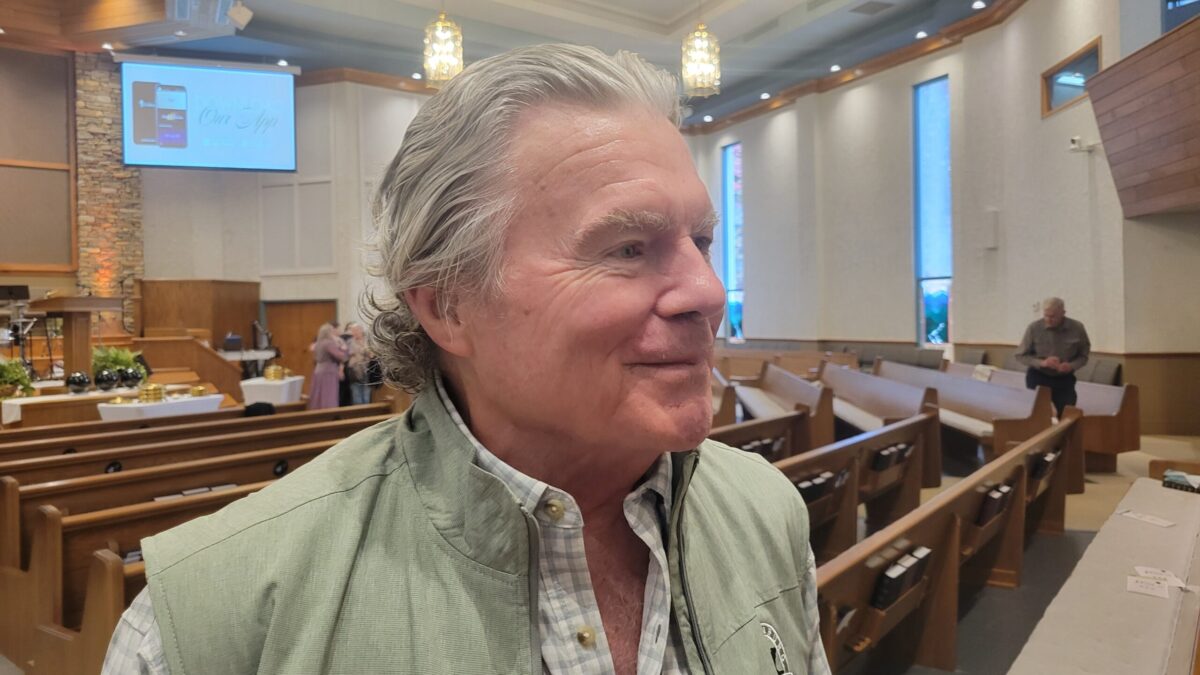
Pastor of New Liberty Baptist Church in Morton, Mississippi