
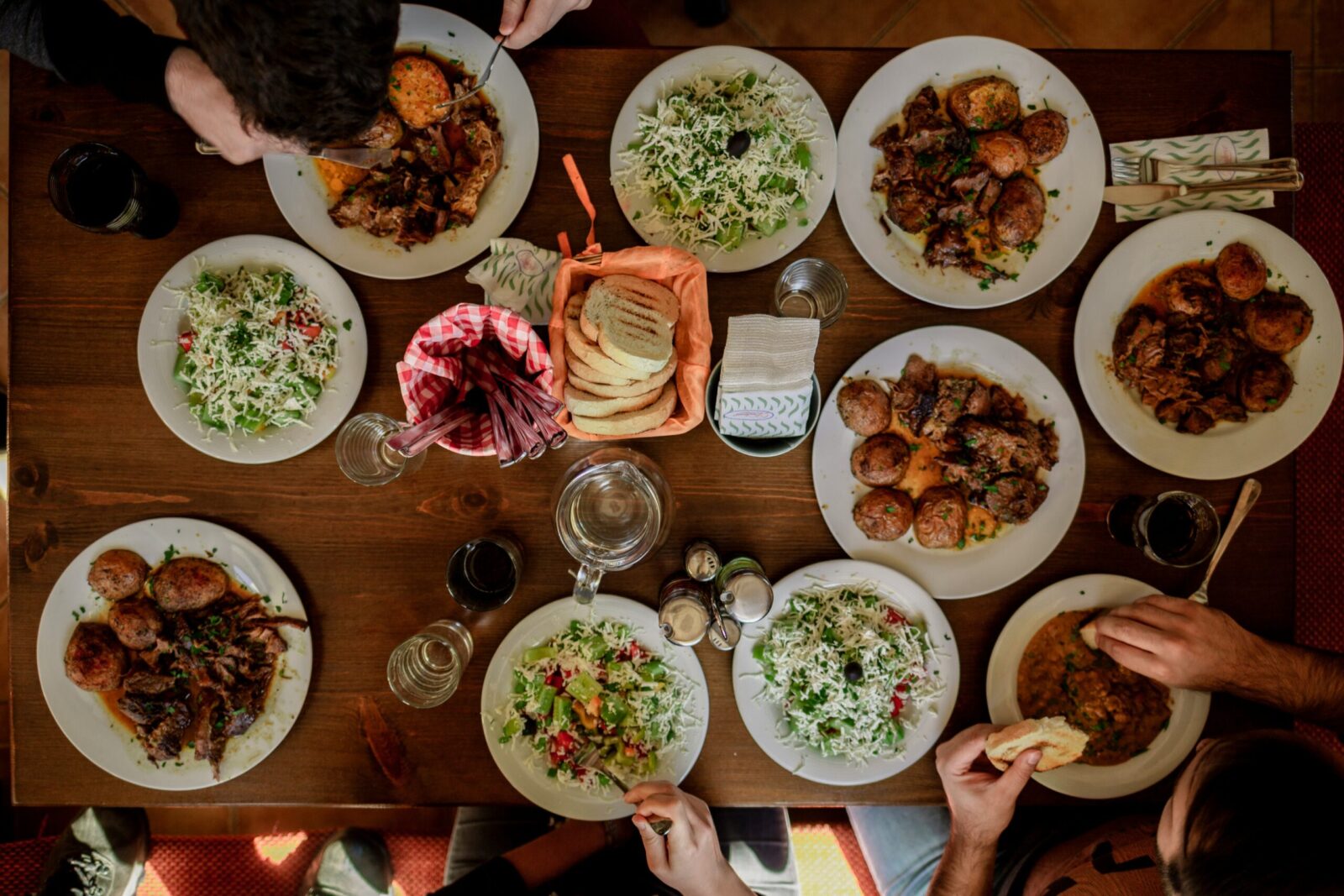
Please pass the turkey — and a side of conflict and estrangement? We’re probably all too familiar with movies and TV shows that feature a scene where dysfunctional family members gather around the dinner table for Thanksgiving. Usually it’s a moment that unleashes a variety of entertaining banter, debate and maybe a food fight. But for many families, this scenario is far from a laughing matter — and in a growing number of families, a holiday dinner may not happen at all.
Related: Check out “Waiting in the Meantime” by Denise George
According to The Harris Poll, roughly 50% of U.S. adults who participated in a related survey reported being estranged from at least one close family member or friend. The study also noted 36% of estranged adults completely skip holiday gatherings. Author Denise George, who wrote about estrangement in her book, “Waiting in the Meantime: A Guided Journey Toward Hope and Healing for Mothers of Estranged Adult Children,” shared thoughts with The Baptist Paper on how Thanksgiving can be a painful time for families.
‘The empty chair’
“The empty chair represents more than a loved one’s absence,” George said. “It represents lost conversations, missed celebrations and the longing for a family relationship that once brought so much celebration and joy. … Thanksgiving photographs, family traditions and conversations about grandchildren can intensify the grief.”
A divisive political climate hasn’t helped, she noted. According to The Harris Poll, politics is a leading cause of dividing families — 72% of those who point to politics as a reason for estrangement noted that these types of differences are often intensified during family gatherings.
“The recent political election has given family members more ammunition for disagreement,” she told The Baptist Paper. “Thanksgiving is not the time to have heated discussions and disagreements, and not the occasion to settle family conflicts. Sitting around the table as family is more important than winning arguments and discussing divisive opinions.
Agree ahead of time to avoid opposing political debates during the meal.”
A temporary political or religious disagreement isn’t worth sacrificing a lifelong relationship, she added.
“Politics and theology can become so deeply personal that loved ones begin to see each other primarily through the lens of their difference,” she said. “Before you challenge someone across the Thanksgiving table, remember who that person is. That’s your mother, your father, your son, your daughter, your brother, or your sister. You share a lifetime of memories. Don’t allow one heated conversation to overshadow years of love.”
An opportunity
Regardless of who does and doesn’t show up for Thanksgiving, George added, it’s still an opportunity worth celebrating.
“Both gratitude and grief live in the same heart,” she said. “Being thankful doesn’t mean we aren’t hurting and missing our adult children and grandchildren. A mom can be deeply grateful for God’s faithfulness while at the same time grieving the loved ones who aren’t sitting at her Thanksgiving table.”
But George cautioned that while making sacrifices to bring the family together can be worth it, harmful behavior — beyond disagreements — is different and should not be tolerated.
“Maintaining relationships should never mean tolerating abuse or abandoning necessary boundaries,” she said. “Disrespecting and dishonoring parents and grandparents (and others) should not be allowed.”
George pointed specifically to James 1:19 as a good verse to remind us to focus more on listening than winning an argument: “My dear brothers and sisters, understand this: Everyone should be quick to listen, slow to speak, and slow to anger….”
A few other reminders:
— In conversations, George said, don’t bring up past offenses in front of everyone.
— Avoid using children or grandchildren to communicate grievances. Protect children and grandchildren from adult conflicts. “Even when adults disagree deeply, children should not be made to choose sides.”
— Don’t pressure an estranged family member to explain or reconcile publicly, she added. If a conversation becomes heated, a family member should “gently redirect it or excuse yourself. There’s nothing unchristian about saying, ‘I love you too much to argue about this today. Let’s enjoy Thanksgiving together.’ Sometimes choosing not to engage is an act of wisdom, not weakness.”
— Avoid turning the first contact with an estranged family member into an interrogation about the past. The first step to rebuilding a relationship is simply saying: “I’m glad you’re here.”
EDITOR’S NOTE — This story was written by Shawn Hendricks, director of content for TAB Media Group.