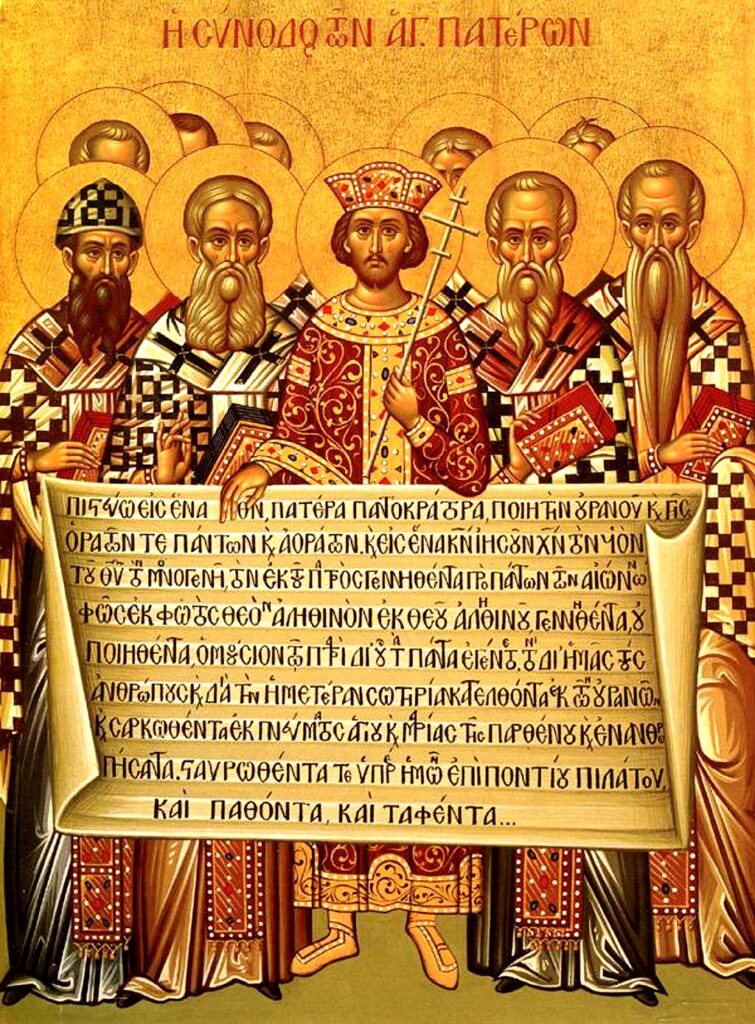
Confessions: Historical glimpse at the Nicene Creed and its connection to Baptists
Southern Baptists heard about, learned about and discussed creeds — specifically the Nicene Creed — more in 2024 than likely any other time in recent years.

Southern Baptists heard about, learned about and discussed creeds — specifically the Nicene Creed — more in 2024 than likely any other time in recent years.

The English word creed comes from the Latin credo which simply means, “I believe.” A creed, then, is a statement of what one believes. In this most basic sense, everyone has a “creed.”

In November, the World Council of Churches will hold a conference titled “Towards Nicaea 2025: Exploring the Council’s Ecumenical Significance Today,” and a global meeting of evangelical Christians is planned for October in Istanbul.

Because he wanted Flores and other non-English speakers in the congregation to be able to better understand the service, Mehl went looking for a translation solution about a year ago when he stumbled upon Wordly.
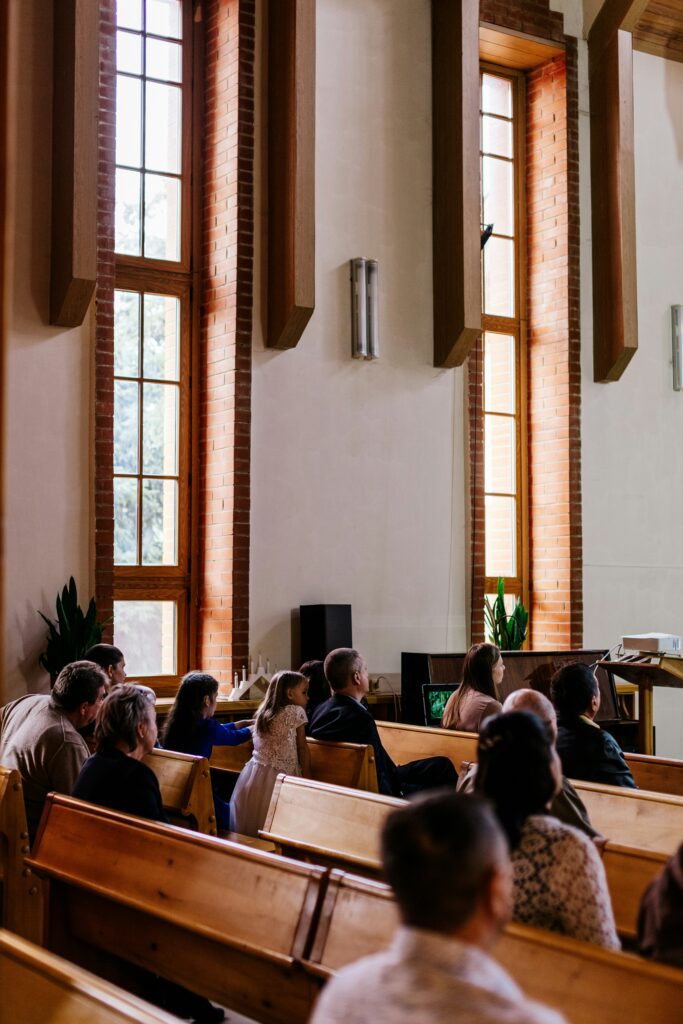
U.S. Protestant churches are almost evenly split between those that have grown within the past two years and those that are plateaued or declining, according to an Exponential study by Lifeway Research.
The average Southern Baptist church calls the South home, but the only region of the country where those congregations are growing is the Northeast.

“You can’t start with your idea and then find a list of different Scriptures to support it. You always start with Scripture.”
Over forty million people have left the church in the past twenty-five years in the United States—not merely the people who have walked away from Christian faith, but many Christians who have “dechurched.”

Easter should be more than a big attendance day. It should be a catalyst for church growth. Here’s how to plan your best Easter yet.

Both joining a church and leaving a church are serious business. Even if it does become clear that leaving is best for us or our family, our attitude must be chastened and humble.