
First person: Evangelism reminders for 2026
I’m a professor of evangelism and missions, but I still need reminders that I must intentionally choose to lead the way in doing evangelism. As

I’m a professor of evangelism and missions, but I still need reminders that I must intentionally choose to lead the way in doing evangelism. As

Most worship leaders work full-time, and do not have formal training or institutional ties, according to a recent survey. The survey, from Worship Leader Research, found

As we enter 2026, many church pastors make resolutions: grow attendance, launch new ministries, or refresh programs. But one resolution often gets overlooked: stop the chaos in church communication.

Marc Hooks wears a lot of hats these days — and one of them is a Santa hat. Every Christmas season for the past few years, Hooks has worked as a professional Santa Claus.

Americans who had a positive religious experience as kids are most likely to keep the same faith as adults.
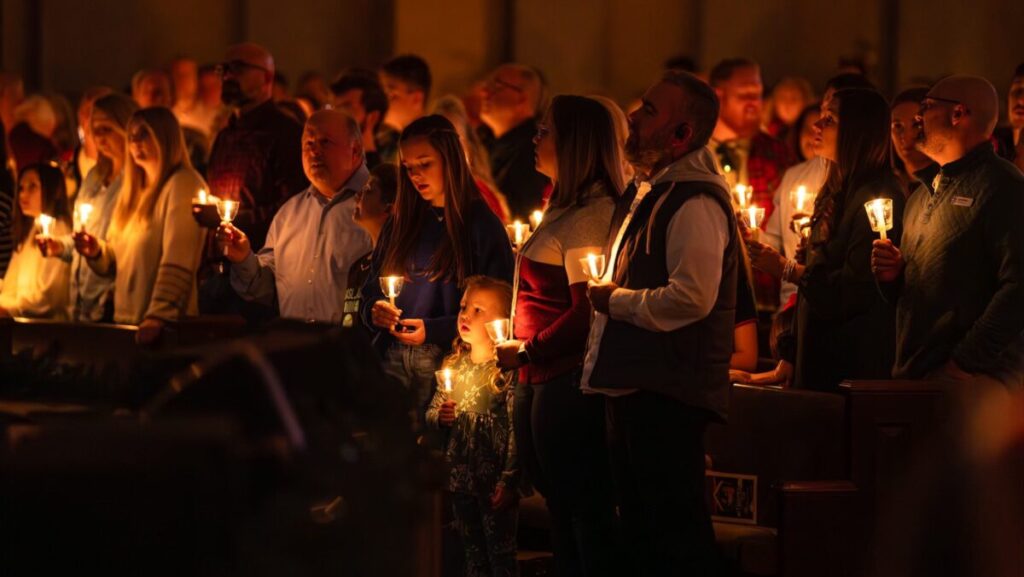
Because questions about a Christmas Eve service come up every year, here are my thoughts to consider if your church is planning a Christmas Eve service this year.

Advent should remind justice-minded Christians their “yearning” and “longing for more” is rooted in the awareness God’s Kingdom has come, but it also is yet to come, theologian Will Willimon told religious leaders on a Zoom call convened by Pastors for Texas Children.

The human brain is wired to crave novelty. Long before smartphones and streaming platforms competed for our attention, God designed our minds to scan the environment for anything new, surprising or out of place.

Kirk Cameron recently reignited an old debate after publicly questioning the traditional doctrine of hell, which has been well known for three words: eternal, conscious torment.
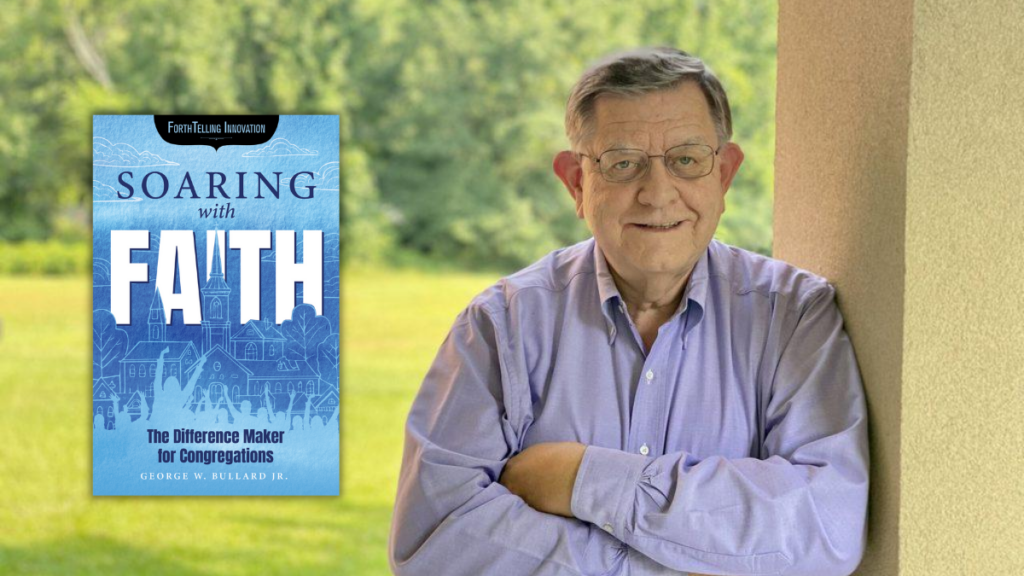
Most congregations have not fully captured God’s vision for them and too often settle for average — rather than strive for exceptional, says George Bullard.