Tom Stolle still remembers the frustration he felt years ago when he read a report that highlighted peoples views — and apparent lack of understanding — of those with disabilities.
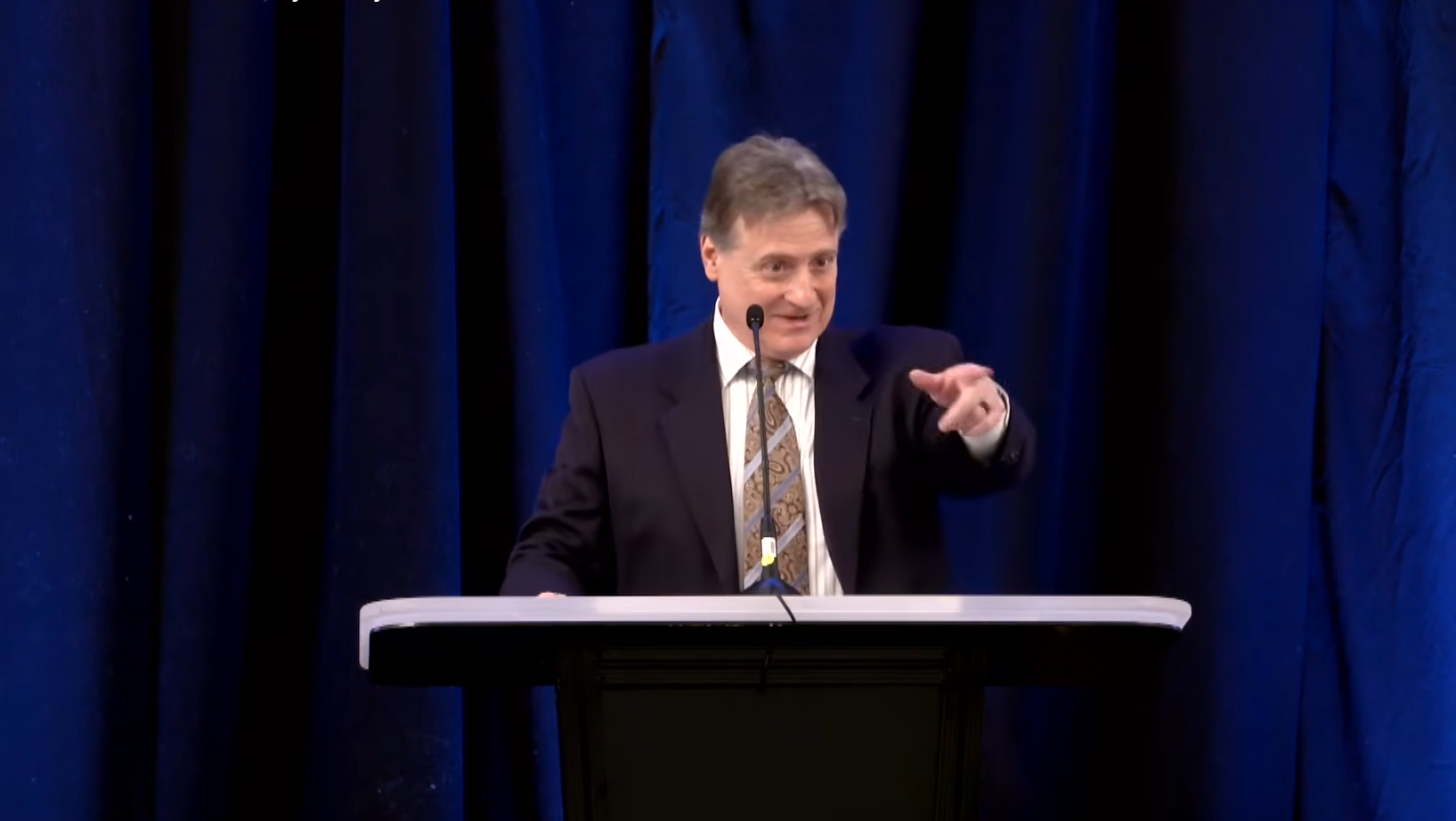
“Over 25% of participants in this survey said they were either unsure or disagreed with the statement that people with disabilities were created in the image of God,” shared Stolle, who chairs a new Disability Ministry Task Force for the SBC. Reporting to SBC Executive Committee members Feb. 17, he said, “It’s tragic. It’s shocking. … We’re all created in the image of God.”
For more stories at your doorstep, subscribe to The Baptist Paper.
SIGN UP for our weekly Highlights emails.
Stolle gave a snapshot of a report the task force plans to present to Southern Baptist messengers for approval during the SBC Annual Meeting in Orlando (June 9–10). Stolle also is the executive director of the Baptist Convention of Maryland/Delaware — and he personally knows the challenge of caring for a loved one with a disability.
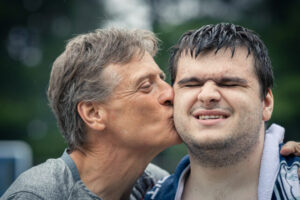
For Stolle and his wife, Shelley — who have a 24-year-old son, Jimmy, with autism who is nonverbal — the task force’s SBC moment in Orlando has been coming for a long time.
“Friends of my family know the challenges have been legion,” Stolle shared during his report of what families with disabled loved one face every day. He recalled, “Attending church felt like taking a risk for us.”
He continued, “Parents have seen their children experience rejection over and over again. Parents fear their child will have a meltdown at church.”
The task force, he noted, is focused on making recommendations “across the landscape of the SBC” to help churches better connect families with needed resources — and most importantly the gospel.
“We believe collectively all work to advance the Kingdom deeper into arena of disability will result in many coming to Jesus,” he said.
A 2020 Lifeway Research study, Stolle noted, showed that 99% of evangelical pastors believe individuals with disabilities would feel welcome in their churches. But this perspective, he said, is not realistic because many parents of those with disabilities believe they face “consistent barriers” when visiting churches.
Research shows, he said, that only about 15–20% of evangelical churches have any form of disability ministry.
Disconnected and alone
Stolle noted, “These parents tend to be very disconnected socially due to what they have to face in their own homes. And the parents may assume the church doesn’t understand their situation — and they may be afraid.”
Southern Baptists now have an opportunity, “to emphatically say to the world in this moment that we believe people with disabilities are created in the image of God — and we are coming together in a variety of ways to make this abundantly clear,” he said.
Reaching the unreached
Stolle shared that if the 1.3 billion people with disabilities made up their own country, they would be the third largest nation on the planet, just behind India and China.
“We cannot leave them behind,” Stolle emphasized. “We have an opportunity in this moment to say to individuals and families effected by disability, ‘We see you and God sees you, and you are welcome in our churches. You are welcome to sit at the table with the Lord.’”