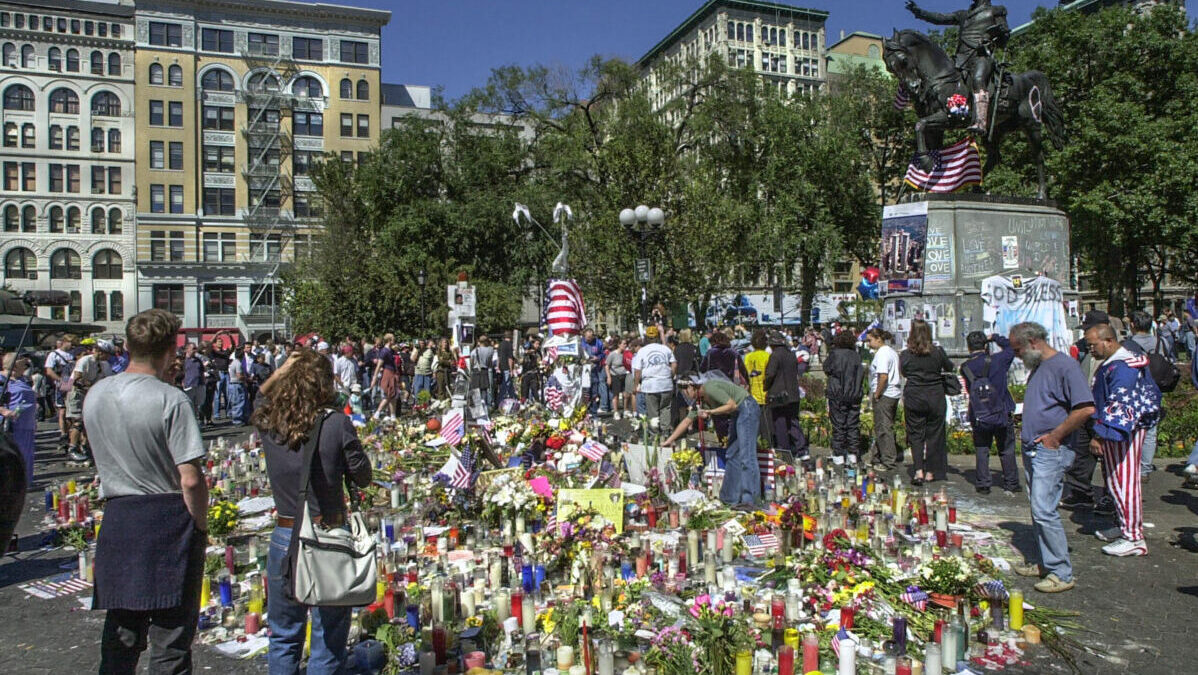
A church’s communication calendar should never be more important than the people receiving it. Sept. 11, 2026, marks 25 years since the attacks that changed our nation — and the world.
For many, the anniversary will bring back memories, grief, gratitude and questions. For others, especially younger generations, it will be an important history lesson.
Love articles from Mark MacDonald on church communication? Check out more stories here.
Either way, churches should communicate carefully — and the lesson goes far beyond 9/11.
Whenever a devastating event happens, whether it’s a national tragedy, a mass shooting, a natural disaster, a community crisis, the death of a public figure, an act of violence or a tragedy that directly affects your congregation, your church communication strategy needs to change with the moment — and quickly.
Here are four principles to help:
1. Pause the church calendar. Scheduled social media posts are helpful (I recommend doing this). But they’re not sacred.
If in doubt, pause
A post about an upcoming sermon series, volunteer opportunity or fun church event can suddenly feel insensitive when a tragedy occurs. In fact, my church communication guidance specifically recommends reviewing scheduled and automated posts when circumstances change.
When major news breaks, stop and ask: Does this post still need to be said right now? Sometimes the most pastoral thing you can post is nothing.
If in doubt, pause.
2. Have a policy before you need one. Don’t decide how your church will respond to a crisis while emotions are running high. Instead, create a simple social media and crisis communication policy before a crisis that identifies who can post, who must approve sensitive statements, who monitors comments and when scheduled content should be paused.
3. Make sure more than one person can access your accounts. Ensure they’re trusted if they have your credentials. And always get senior leadership involved beforehand so they’re not required to learn “on the job” during an unexpected event.
4. Don’t become political. Be pastoral. National tragedies can quickly become political conversations. Your church doesn’t need to take every bait. Your role is not necessarily to explain why something happened or tell people what political position they should take.
Your role is to demonstrate what a faith community looks like when people are hurting.
CAUTION: “Praying for those affected” can sound empty when it’s a generic cliché. Instead, make prayer specific. Name the people who are grieving. Pray for first responders, families, leaders and communities. Then, when appropriate, provide a meaningful way for people to help.
Expression of compassion
Prayer shouldn’t be a substitute for compassion. It should only be one expression of it.
5. Don’t avoid strong emotions. Churches shouldn’t become so cautious that they become silent or are perceived that way.
EDITOR’S NOTE — Mark MacDonald is a communication pastor, speaker, consultant, bestselling author and church branding strategist for BeKnownforSomething.com.