Teaching congregations what to count can be as difficult as teaching a turtle to dance.
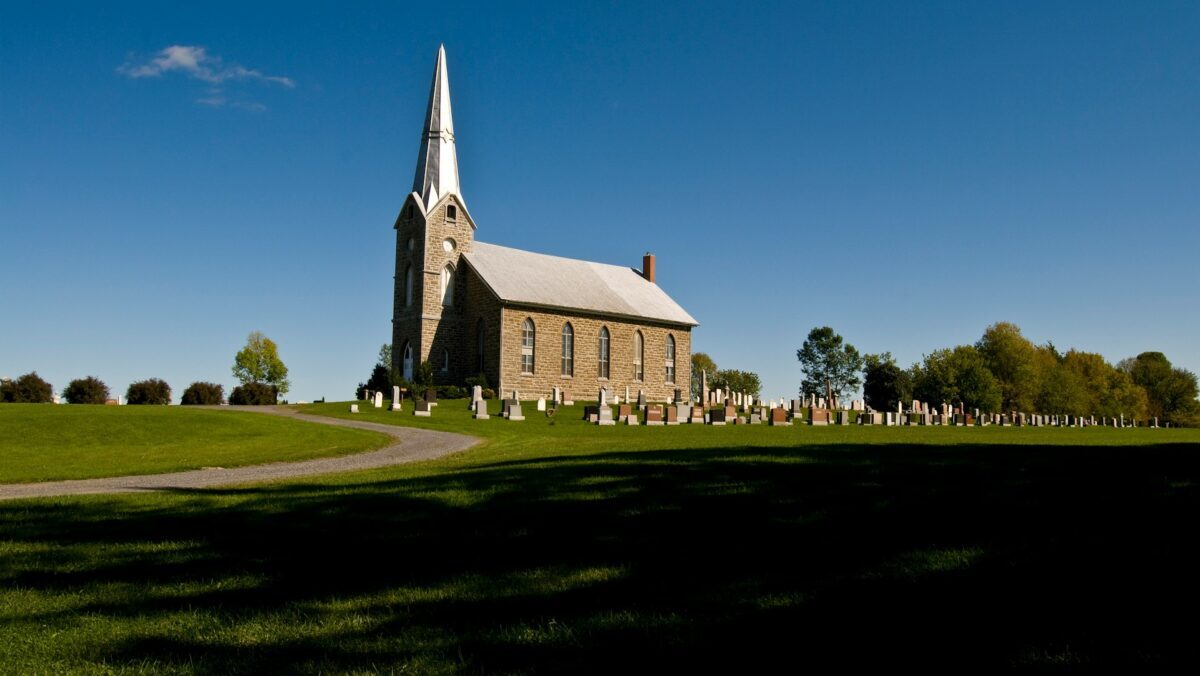
Let’s start with a riddle. How many people were present for worship at the Really Small Church last Sunday?
No one knows. No one counted. It was not the point in this small, nurturing community.
When asked how many were present, they say everyone except the Porters and the Alexanders. The Porters had COVID-19, and the Alexanders were out of town at a family funeral. Also, Sally Winters’ granddaughter was visiting for the weekend and attended.
RELATED: Check out more articles on the impact of Baptist associations.
How many people were present at the Really Large Church last Sunday? The official report was 734.
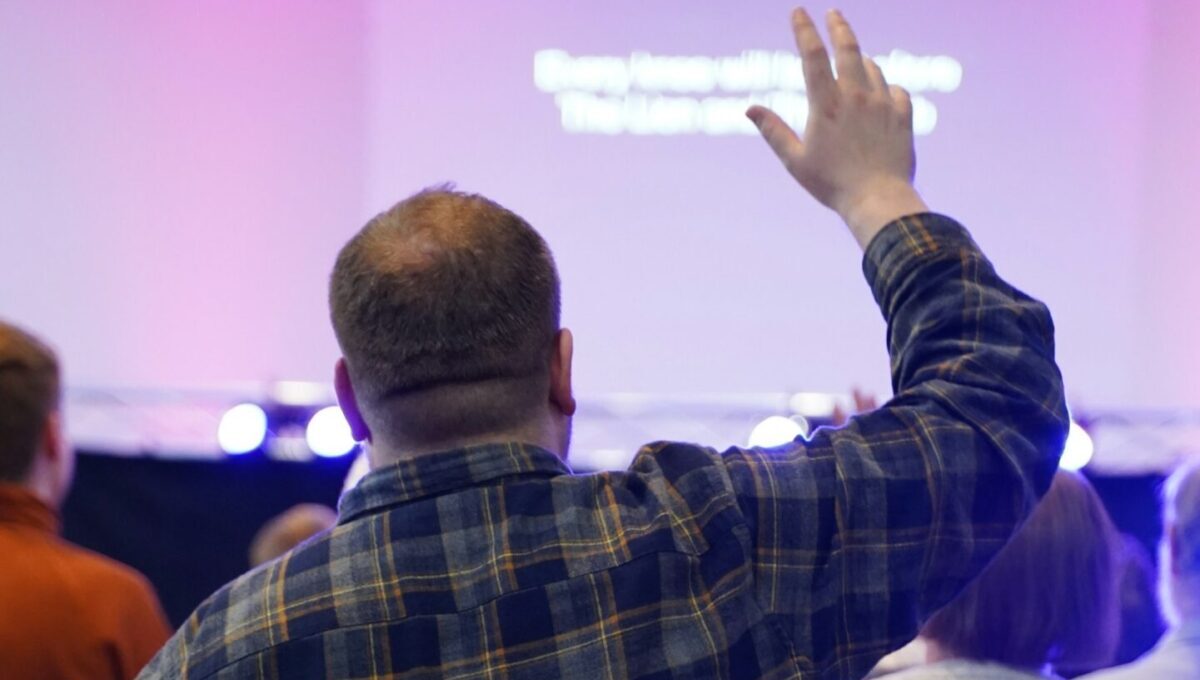
The counters sit at the front of the worship center. During the midservice welcome and announcements, they walk up the aisles counting and then enter the numbers in the church app on their cell phones.
Someone else counts the preschool area, the guest services people and the security team. They also count the guys outside debriefing yesterday’s football game and the teenagers who think no one knows where they are hiding to get out of worship.
Counting what matters
These methods reveal the active, current congregation size. But aren’t there more important things to count that look at the vitality and vibrancy of a congregation?
I say yes!
Here is just a sample of things associational leaders could teach their congregations to count. Some of these only need to be counted three or four times per year to identify trends.
First, in addition to counting the number of individual people present, use a survey to count the number of households present and the ages of people in those households. I contend that the number of households reached and their internal demographics are important things to know. They help guide the focus of worship, programming, disciple-making and missional ministry outreach.
As more households contain empty nesters and senior adults, congregations lament the loss of attendance. The reality is that they may be reaching as many households or more than at the height of their attendance numbers.
Since care ministry is typically done by household, the care load of the congregation can increase while attendance is decreasing.
Counting new people
Second, do not just count the number of visitors or guests present on a typical Sunday. Count the number who come a second or third time or become regular attendees. Realize that fewer of these households may become members than in past decades since people today are not “joiners” as was once the pattern.
When we see these people regularly, we may think they have joined. Then someone asks them to take a formal position in the congregation, and it is discovered they are not members. No one took time to lead them through a disciple-making process.
Third, count the number of people who are involved in an intentional disciple-making process where they are growing spiritually in a Christlike lifestyle and missional engagement.
This is not the same thing as the number of people enrolled in a Sunday School class or small group. It is not how many people occasionally participate in a ministry project. It is about how many people are making progress toward becoming fully devoted followers of Christ.
Think more deeply about baptisms
Fourth, do not just count the number of people baptized in congregations. Count the context in which people came to be baptized. Were they children or teenagers — often members of families already in the congregation — who accepted Jesus as their Savior and Lord and were baptized?
Were they adults from households where at least one other adult was already a baptized Christian? In many cases this would be the spouse of a person who is a baptized believer. Or perhaps they were an adult from a household where no other person was a baptized believer.
Were they people from a Christian tradition where believer’s baptism by immersion was not practiced? According to the doctrinal conviction of the congregation, were they invited to receive believer’s baptism by immersion?
It is not always simple. Counting is not just a number. It is about people and the personalization of their spiritual journeys.
What else does your association need to urge congregations to count to have an in-depth understanding of their vitality and vibrancy?
EDITOR’S NOTE — George Bullard spent 45 years in denominational ministry. He served on the staff of three associations, was a key staff person working with associations in two state conventions and served on the association missions division staff of the former Home Mission Board of the SBC. He retired in June 2022 as director of Columbia Metro Baptist Association in South Carolina. He has led strategic planning processes in more than 100 associations and has written extensively in this area. Bullard now serves as a strategic thinking mentor for Christian leaders through his ForthTelling Innovation ministry and a correspondent for The Baptist Paper.
To request permission to republish this article, email news@thebaptistpaper.org.